
All articles
ProcessJan 22, 2026 · 8 min
What a zero-snagging handover actually takes
'On time' is a promise. 'No punch list' is a discipline. Inside the QA protocol that turns a handover from a hope into a deliverable.
 ARCSPACEXDESIGN · STUDIO
'On time' is a promise. 'No punch list' is a discipline. Inside the QA protocol that turns a handover from a hope into a deliverable.
Most fit-outs are handed over with a punch list. Some with thirty items, some with three hundred. The client moves in, opens a shared sheet, and the studio spends four to twelve weeks "chasing snags" while the programme technically reads as "complete".
We don't do this.
ARCSPACEX holds every site to a zero-snagging standard at handover. Not "most things done" — done. The client walks the space once, signs, and the team is off site within 48 hours. Here's what it actually takes to deliver that, because it isn't magic and it isn't a prayer — it's protocol.
A zero-snagging handover is 80% decided before a single tile is laid. The protocol starts at design freeze:
This upstream work is invisible to the client. It is also the single biggest determinant of what the punch list looks like at week 12.
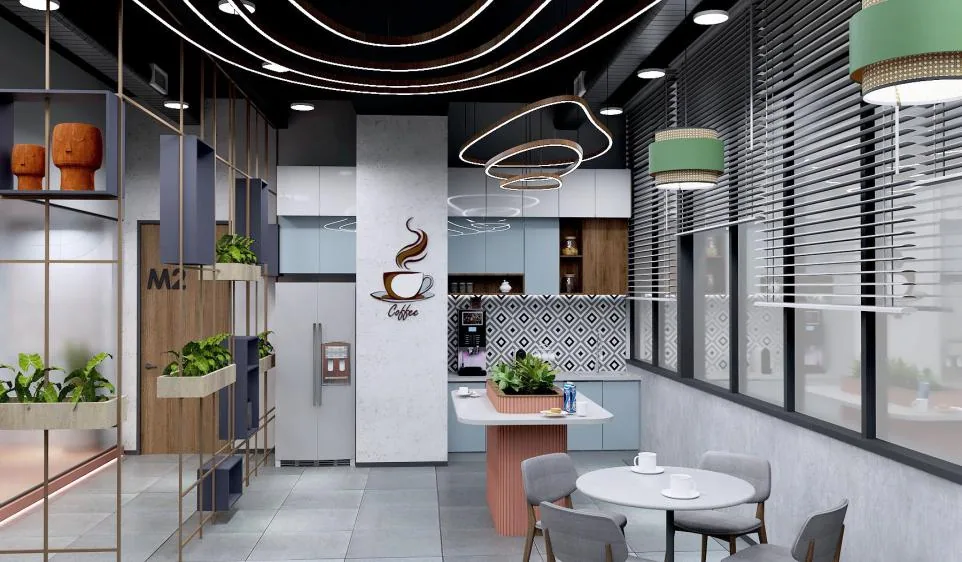
On site, we run two QA cycles a week:
Thursday — trade QA. The site manager walks with each active trade (civil, electrical, HVAC, joinery, painting) and closes their own list against the spec. Nothing moves forward until that trade's list is clear.
Monday — independent QA. A QA lead who is not running the site walks the floor with a clipboard and a checklist of ~300 items. Anything flagged goes on a digital snag tracker with owner, photo and due date. Most snags close within 48 hours of being raised.
This rhythm means the final week looks like a quiet inspection, not a scramble. The punch list has been closed weekly for twelve weeks before the client sees the space.
Most "snags" at handover fall into three categories that are almost entirely avoidable:
When those three categories are closed weekly, the handover list is approximately empty.

Zero-snagging takes more studio time upstream and more QA time on site — roughly 8% of the total programme cost. It saves the client months of post-handover disruption, a moving-in period that isn't a siege, and a space that feels finished from day one instead of week twelve.
That tradeoff — more rigour upstream for less disruption downstream — is the entire design-build argument in miniature. It's why we do it, and it's why the standard isn't negotiable.
Talk to us about a site we're running to see the protocol in action — book a studio visit.
09 / Begin
From the first conversation to the zero-snagging handover — one accountable team, one contract, one standard.